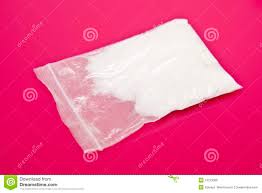
White powder test?

Become a Forensic Chemist by following these procedures and filling in the Powder Analysis Chart with your results.
Complete the appearance, texture, and smell activities before opening the vinegar and iodine bottles.
Record your findings in the Powder Analysis Chart below.
Aim: To determine how different powders feel, look and react to other substances.
Record your findings in the Powder Analysis Chart below.
Aim: To determine how different powders feel, look and react to other substances.
A forensic scientist may discover powder at a crime scene. In order to determine if it is illegal or not the crime lab will identify the substance using chemistry. Take on the role of a forensic chemist to identify unknown substances.
Powder Analysis Chart
Substance Appearance Texture Smell Water Iodine
Cornflour Large Course Fine Strong Gooey Turned Black
Sugar Small Smooth Sweet Devolved Sat there
Salt Small Rough salty Devolved Sat there
Baking soda Small Rough Strong Devolved Sticky
Cornflour Large Course Fine Strong Gooey Turned Black
Sugar Small Smooth Sweet Devolved Sat there
Salt Small Rough salty Devolved Sat there
Baking soda Small Rough Strong Devolved Sticky
Comparing test results of substances that are known help Forensic Scientists identify unknown substances.
Aim
Aim
Aim: To determine how different powders feel, look and react to other substances.
Hypothesis:
Equipment:
Baking Soda
Cornflour
Sugar
Salt
Iodine
Magnifying glass
Black card
Tea spoon / stick
Method:
Hypothesis:
Equipment:
Baking Soda
Cornflour
Sugar
Salt
Iodine
Magnifying glass
Black card
Tea spoon / stick
Method:
- Place one-fourth teaspoon (1 ml) of the four white powders on a sheet of black construction paper. Label the powders with your pen.
- Study the powders with the magnifying glass. Examine what each powder looks like. How would you describe the powder's shape. Does it have large or small grains? Your observations should be written in the appearance column of the chart.
- Examine the powders further by rubbing each powder between your fingers. Describe how each powder feels in the Texture column of the chart.
- Determine if there is a smell to any of the powders. Record your findings in the Smell column of the chart.
- the eyedropper and place a drop of water on each individual powder. Examine what happens? Do the powders dissolve? Is there a reaction? Write your observations in the Reaction to Water column.
- Place one-half teaspoon (2ml) of each powder in a separate jar. Add 2 drops of iodine to each jar using the eyedropper. Record what happens in the Reaction to Iodine column. Iodine should be handled with care.

No comments:
Post a Comment
Please structure your comments as follows:
Positive - Something done well
Thoughtful - A sentence to let us know you actually read/watched or listened to what they had to say
Helpful - Give some ideas for next time or Ask a question you want to know more about
Note: Only a member of this blog may post a comment.